
Categories
Investing, Real Estate, Relocation, Rentals, Savannah, Tybee Island, real estate investing, Tybee Short Term Rental 2026, Short Term RentalsPublished September 23, 2026
Tybee’s New Short-Term Rental Ordinance: What Homeowners Need to Know

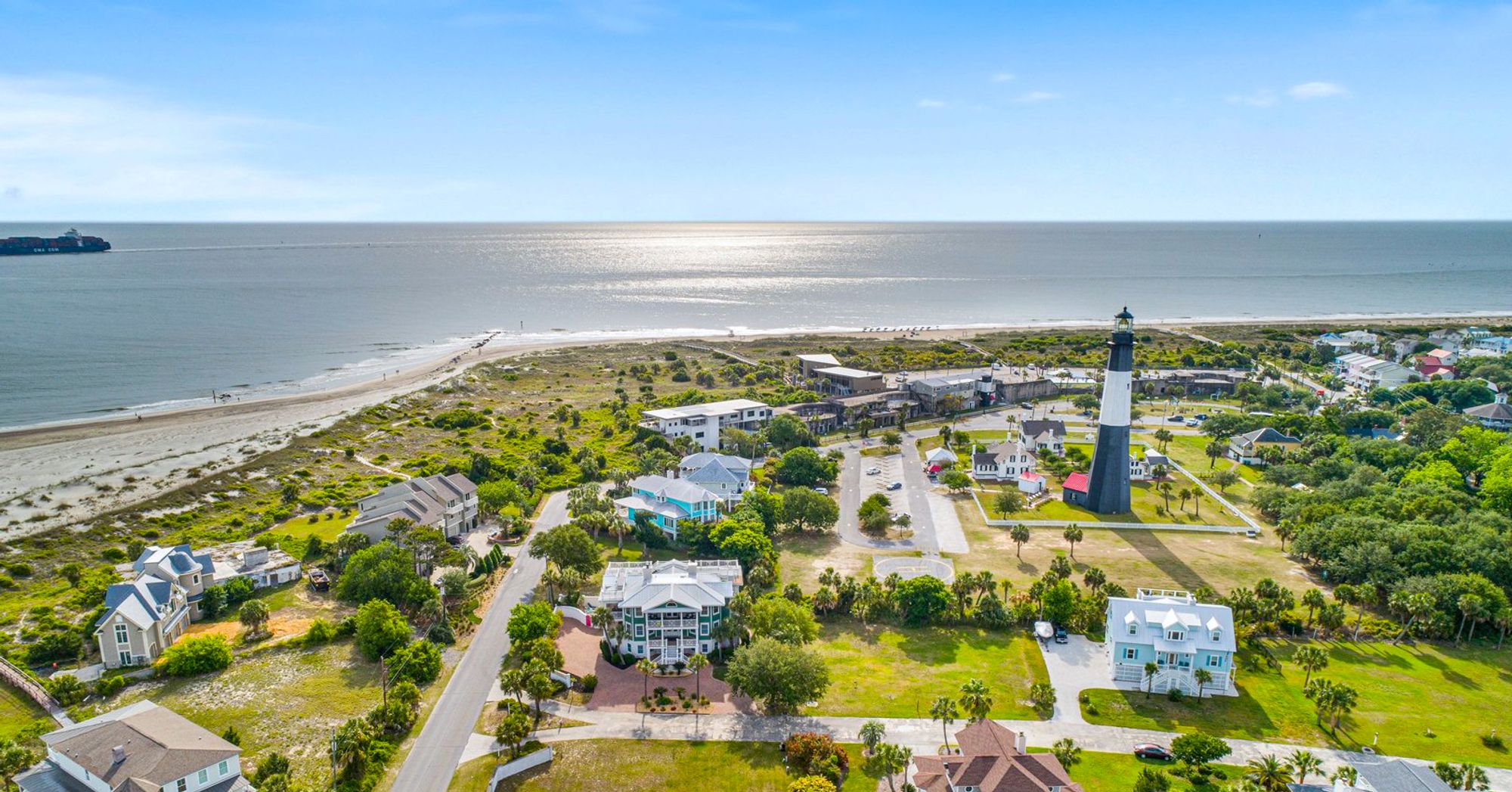
Tybee’s New Short-Term Rental Ordinance: What Homeowners Need to Know
Tybee Island has adopted a new short-term vacation rental ordinance that changes how homeowners can apply for a certificate, sell an existing rental, and operate a rental in a residential neighborhood. The changes are scheduled to take effect January 4, 2027.
If you own a Tybee home or are considering buying one, here are the parts of the ordinance most likely to affect you.
New limits for each part of the island
The ordinance divides Tybee’s R-1, R-1-B, and R-2 residential areas into four sectors. Each sector has a maximum number of short-term rentals that can operate there:
| Sector | General area | Maximum STR certificates |
|---|---|---|
| 1 | North of Highway 80, from Lazaretto Creek Bridge toward First Street | 175 |
| 2 | Areas south of Highway 80, along with portions of the island’s middle and south end | 250 |
| 3 | East of Lovell Avenue, from First Street to 13th Lane | 220 |
| 4 | The southern portion of the island, generally beyond 13th Lane | 180 |
These numbers are caps, not a promise of that many new licenses. Existing rentals count toward each sector’s limit. Once a sector reaches its cap, new applicants would have to wait for an opening. Because the boundaries are detailed, homeowners should confirm which sector applies to a specific address with the city.
What if you want to buy a home and start renting it?
The new rules create a potential opportunity for buyers in residential areas where a sector still has room under its cap. Applications for new certificates are expected to open when the ordinance takes effect on January 4, 2027.
A buyer who closes before January 4 will be able to apply as the property owner when applications open. That does not reserve a certificate or guarantee approval. Availability will depend on the property’s sector, the number of certificates already issued there, the city’s application process, and whether the property meets the requirements. If short-term rental income is part of your purchase decision, verify those details before closing.
An 18-month opportunity for owners of existing rentals to sell and license will transfer to the new owner
If you already have a legally operating short-term rental in an R-1, R-1-B, or R-2 district and are considering selling, the ordinance provides an 18-month window beginning when the new rules take effect. During that period, a qualifying buyer has a one-time opportunity to apply for a short-term rental certificate without being subject to the sector cap.
The certificate itself does not automatically transfer with the property. The new owner must apply for a certificate within 15 days of the transfer and meet the city’s requirements. To use this provision, the sale would need to close after the new ordinance takes effect.
For owners whose rental is no longer performing as hoped, this is a meaningful reason to revisit the decision to sell. It gives a potential buyer a path to continue short-term rental use even if the sector has reached its cap.
Protections for certain family ownership changes
The ordinance also provides exceptions for certain changes involving immediate family, joint ownership, family trusts, and family corporations. In qualifying situations, a family member may apply for a new certificate without having to join the sector waiting list.
The details depend on how the property is owned and transferred. If you are planning to pass a Tybee property to a child or grandchild, or move it into a trust, check the requirements before making that change.
Owner-occupied rentals are allowed
The new ordinance makes room for qualifying owner-occupied short-term rentals outside the sector caps. This could benefit a Tybee resident who lives on the property and wants to rent an eligible dwelling unit.
The property must meet the ordinance’s owner-occupancy and application requirements. The owner generally must live on the property during rental activity and may be away for no more than 14 rental nights per calendar year. Owner-occupied rentals still have to follow the city’s other STR rules.
What else changes for operators?
The ordinance strengthens the city’s application and enforcement requirements. Applicants will need to document details such as bedrooms, occupancy, parking, insurance, and a local emergency contact. That contact must be reachable live and able to respond to a complaint. The city will also have more ways to verify application information and address repeated violations.
For homeowners, the first step is to understand which situation applies to your property: an existing rental you plan to keep, one you may sell, a home you hope to start renting, or an owner-occupied property. Each has a different path under the new rules.
Interested in learning more? We are Tybee Island residents and work closely with homeowners on the Island every day. If you’re weighing a sale or purchase because of these changes, we are more than happy to help you look at the property, its market value, and the questions to confirm with the city before you make a decision.
Sara and Libby Bacon
The Bacon Team | Keller Williams Coastal Area Partners

The Bacon Team
| The Bacon Team | Keller Williams Coastal Area Partners
or another way